Web design · 3D
3D & WebGL Website Design
A 3D website puts a real-time object or scene inside the page, driven by scroll or pointer, so a product can be turned and examined in the browser instead of shown in a flat photograph. I'm Masoud Zarei, an independent 3D website designer and Three.js developer; I direct, design and build these sites myself. It suits products and spaces that a still image undersells.
- Price
- Projects start at $500
- Reply time
- Within 24 hours
- Works with
- Brands worldwide, in English or Persian
What a WebGL site is made of
WebGL is how the browser draws 3D graphics on the graphics card, and Three.js is the library I build on. GSAP ties the scene to scroll, so the camera, the light or the object itself responds as the visitor moves down the page.
A 3D scene has a cost: file weight, battery, and a visitor on an old phone. Part of the job is deciding what truly needs to be real-time and what a good still, a short video or a lighter effect can carry.
What the existing work shows
- On this site
- The lens in the home page's spotlight section is a Three.js scene. Its model is baked ahead of time into a compact file, the scene loads as the section approaches, and a frame is drawn only while scroll is moving it. See it on the home page.
- Reduced motion
- With reduced motion set, that section becomes a static layout and the 3D canvas is not shown.
- Narrow screens
- Below 1024px the section is its own single-column design, with the object taking a larger share of a phone screen.
- Concepts
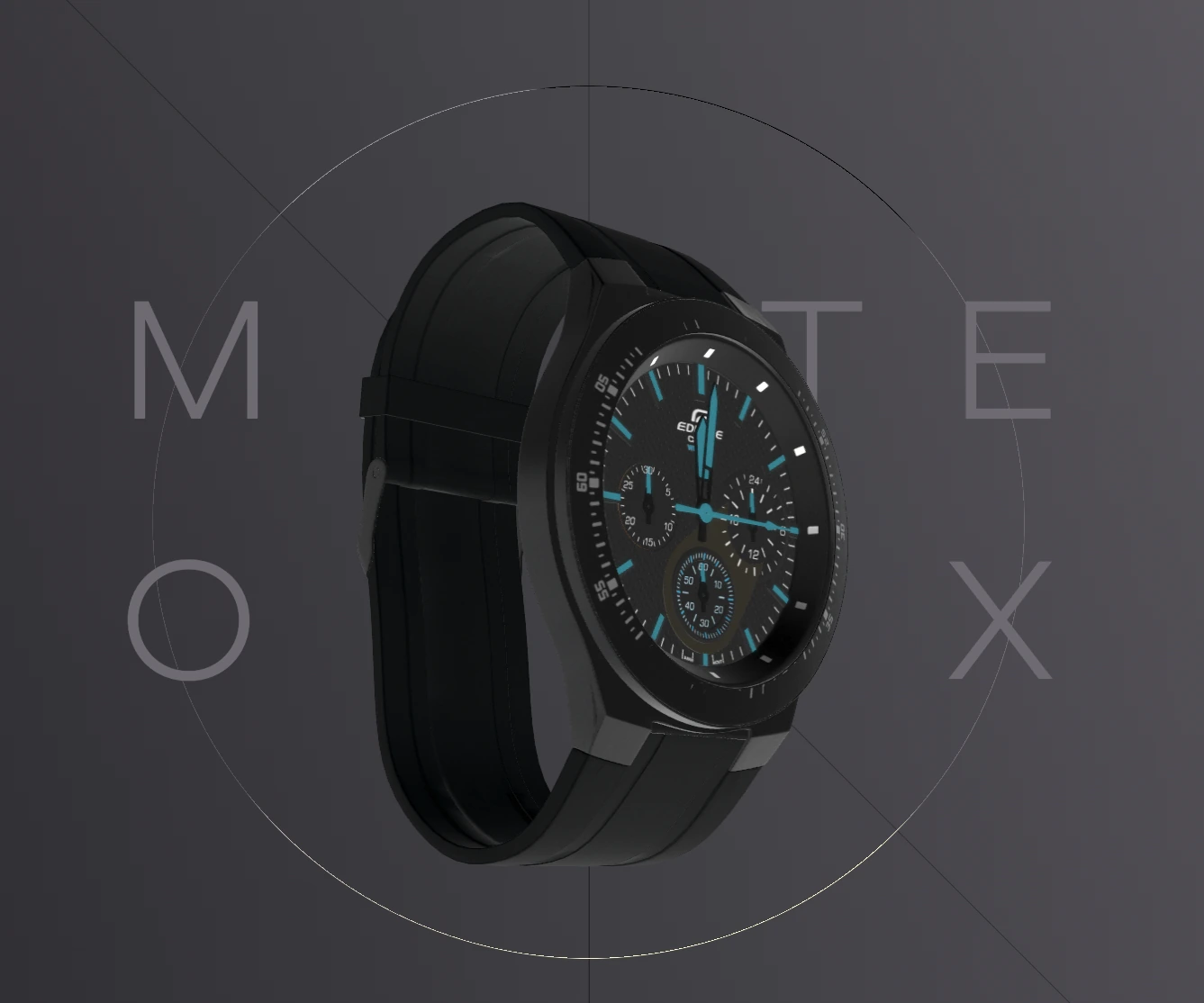
- CASIO 44C and Life Energy Drink put a 3D product at the centre of a staged frame. Both are self-initiated, with no client results claimed.
What's included
- Creative direction
- What the object does, what the camera sees, and where the 3D stops and the page begins.
- Model preparation
- Trimming geometry, compressing textures and baking light that doesn't need to be live. The model can come from you, or I can source a licensed one.
- Three.js scene build
- Lighting, materials, camera paths and shaders written for the specific object.
- Scroll choreography
- GSAP drives the scene from scroll position, with the timing authored in one place so it can be tuned.
- Performance budget
- The scene loads late, draws only when something changes, and has a lighter or static fallback for weak devices.
- Accessibility
- Visitors with reduced motion get a static layout, keyboard focus stays visible, and content never lives only inside the canvas.
How a project runs
Brief and asset review
We look at the product, the models you already have and the devices your audience actually uses.
Scene and scroll storyboard
A sequence of states for the object, tied to scroll, before anything is modelled in code.
Prototype on real devices
A rough version runs on a phone early, so weight and frame rate are known before polish goes in.
Build and tuning
Final scene, scroll timing, fallbacks and the responsive layout.
Launch
Checks across screen sizes and browsers, then live. Training and post-launch support are included.
Related case studies
All three are self-initiated concepts, shown as such. No commission from the brands named is implied, and no results are claimed.
-
Self-initiated conceptCASIO 44CA watch launch framed like a short film. Not a Casio commission.
-
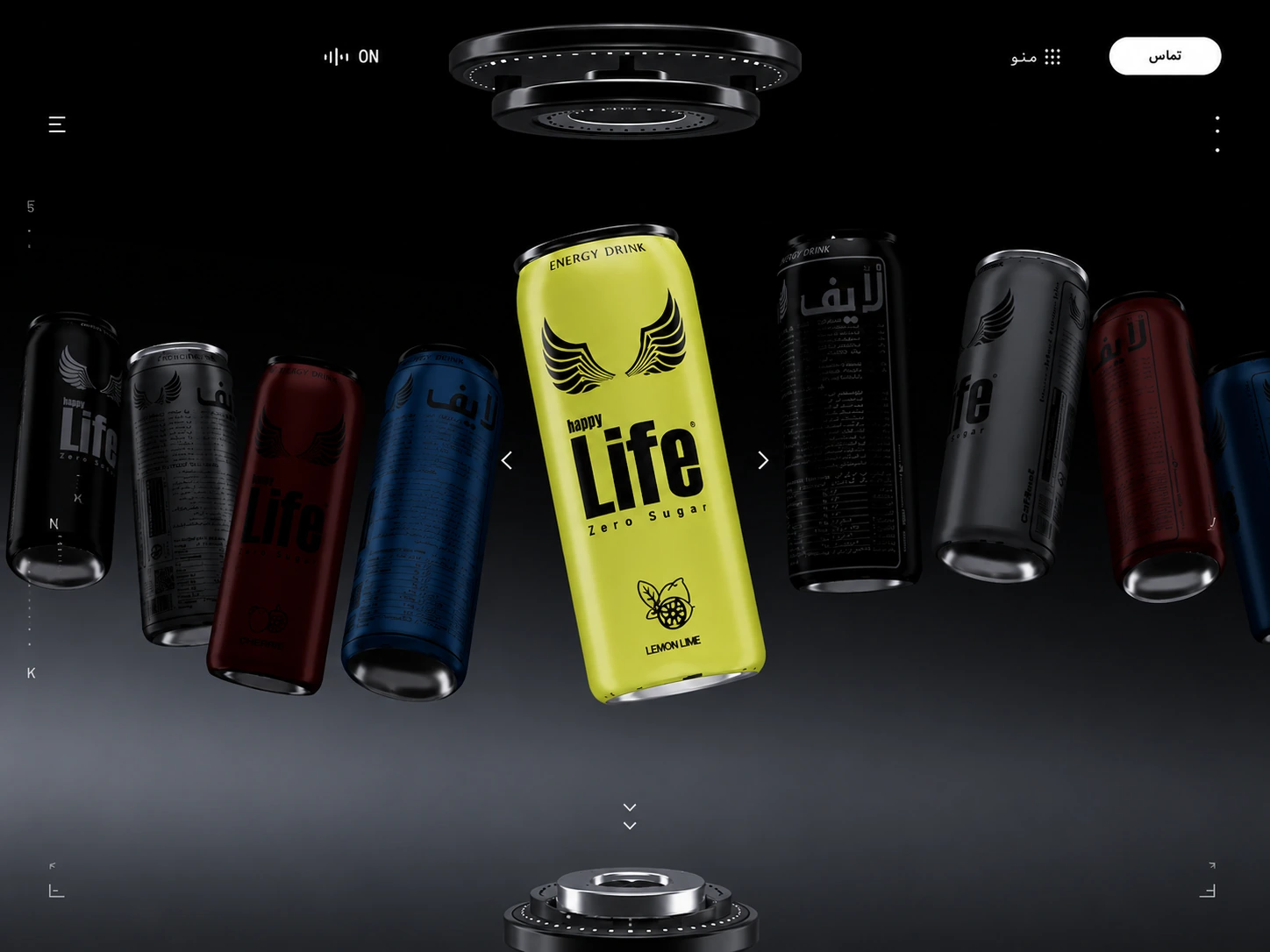 Self-initiated conceptLife Energy DrinkAn energy-drink launch told as a bold, motion-led page with the can at the centre.
-
 Self-initiated conceptJamesonA product-led story in an editorial frame. Not commissioned Jameson work.
Questions
Do I need a 3D model already?
Not necessarily. I can work from a model you have, or source a licensed one and prepare it for the web. I also model from scratch when you need a custom piece. That is priced separately from the build and changes the scope, so say so early.
Will a WebGL website be slow?
It doesn't have to be. The scene loads as the visitor approaches it, draws only when something is changing, and models and textures are cut down before they ship. I plan a lighter fallback for weak devices.
Does a 3D site work on phones?
Modern phones run these scenes well, and each project gets its own single-column layout. I test on real devices and scale the scene down where a phone needs it.
How much does a 3D website cost?
Projects start at $500. 3D scenes sit toward the heavier end because of model preparation and device testing, so I quote them after seeing the model and the brief.
Are you a designer or a Three.js developer?
Both. I direct and design the page and write the Three.js and GSAP code myself, so nothing gets lost between a design file and the build.
Tell me about the project
Send the product, the model if you have one, and where the site has to run. I reply within 24 hours.